

EATS & DRINKS
By Case Dighero | Photos by Meredith Mashburn
A New Epicenter of Flavor: Inside Chūō Izakaya
3939 S. Grand Ave., D102, Rogers | (479) 553-7034 | www.chuonwa.com
There is magic that happens when high-level culinary artistry meets the soulful, convivial spirit of a traditional Japanese gathering place. Enter Chūō Izakaya, a stunning new triumph in Rogers from chef-owner Darwin Beyer of Fayetteville’s legendary Meiji fame. Translating to “center tavern,” Chūō doesn’t just live up to its name, it immediately anchors itself as the vibrant heart of the region’s evolving food scene.
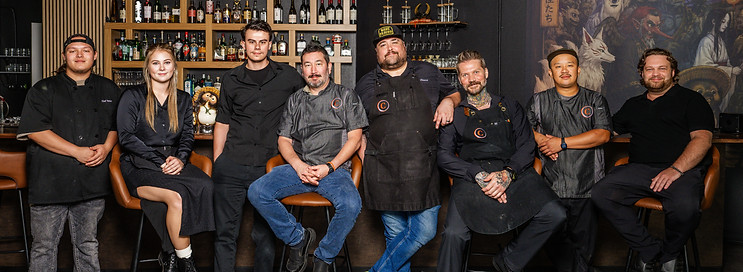
Beyer has assembled an undeniable dream team here, tapping bar manager extraordinaire Shaun Traxler and head chef Colin Stewart. Together, they’ve taken the beloved nuance, precision and quality of Meiji and folded it into something fresh.
The Atmosphere & Vibe
The moment you step inside, the ambiance wraps around you like a warm hug. The dining room strikes a gorgeous balance between moody and welcoming — leather banquettes, rich wood-top tables and a dramatic display kitchen encased in glass that lets you watch the culinary theater unfold. Suspended overhead, a canopy of traditional Japanese umbrellas adds a pop of artful whimsy while a sweeping, L-shaped bar serves as the ultimate community pulpit.
An izakaya, at its core, finds virtue in small plates intermingled with world-class craft cocktails — a paradigm built around gathering, sharing and lingering long into the evening.



High-Concept Cocktails with a Sense of Humor
Shaun Traxler’s beverage program is a masterclass in balance: ridiculously elevated yet delightfully unpretentious.
“I wanted the cocktail menu at Chūō to be exceedingly approachable, with a big focus on whimsy and fun,” Traxler said. “While the drinks are certainly unique, they should seem familiar if you read between the lines. We have riffs on Old Fashioneds, Cosmopolitans, Margaritas, et cetera. We just like to jazz them up a bit with chocolate spoons, boozy gummy candies and other house-made shenanigans.”
Here are the liquid gems you simply cannot miss:
Calm as Hindu Cows ($16): HAIKEN lychee vodka layered with lychee-lavender syrup, rich orgeat, coconut water and lime. It’s light, tropical, aromatic and refreshing.
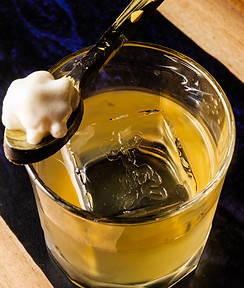
Love Oolong Time ($18): Chūō’s twist on an Old Fashioned. Sesame-washed Japanese whisky meets a genmaicha tea and honey syrup, with a touch of salt and chocolate. It’s finished with a musa chocolate spoon and smoked honey whipped cream.
Squash the Beet ($22): A savory masterpiece. Roasted kabocha squash is blended with miso and honey, then embellished with the kitchen’s wagyu trimmings and rendered tallow to create a masculine fat-wash Japanese whisky. A splash of fresh papaya, pineapple and tart cherry brings this savory sipper into the realm of cocktail nirvana.

The Culinary Showcase: Small Plates, Massive Impact
Beyer, along with head chef Colin Stewart, devised a menu that is an absolute triumph, firing on all cylinders with bold textures, bright acids and deep umami.
Cold & Light Starters
The Shishito Peppers ($13) are blistered to perfection and heavily doused in a rich, deeply savory black garlic molasses. For something bright, the Snap Pea Salad ($17) is a crunchy revelation featuring sesame yogurt, vibrant chili crisp, a jewel-like grapefruit gelée and a zip of miso-citrus vinaigrette. And the King Salmon Crudo ($21) is simply sublime. It is melt-in-your-mouth salmon accented with Thai basil oil, a surprising pop of lemon curd and bright Peruvian peppers.
Sensational Sandos & Rolls
Try the Pork Cutlet Sando ($17), ultra-crunchy, perfectly fried pork that balances sweet and spicy tones, pillowed between cloud-like Japanese milk bread. Or the Crispy Shrimp Sando ($18), loaded with rich tonkatsu sauce, spicy Kewpie and crisp shredded cabbage. And the Chūō Signature Roll ($24) is a true highlight, crafted with jet-black forbidden rice, rich eel, delicate yellowtail and a crispy finish of berry-fried shallots.
The Showstoppers
Forget what you know about street food. The Kaniyaki ($24) are house-made takoyaki-style puffs packed with sweet snow crab and pickled red ginger, dressed in citrus mayo, robata sauce and delicate microgreens. They are ethereal in both flavor and presentation. And do not skip dessert. The Bear Panna Cotta ($13) is an Old Fashioned-inspired panna cotta, infused with bourbon, chocolate, bitters and orange, topped with a crunchy panda crumble.


The Verdict
Chūō Izakaya isn’t just a new restaurant, it’s an instant institution. Beyer, Traxler, Stewart and their team have crafted a dining experience that feels celebrative, joyful and impeccably executed from the first pour to the final bite. Pull up a chair at the bar, order a round of sandos and a fat-washed cocktail, and celebrate the magnificence of Northwest Arkansas dining.